Sacsayhuamán & Machu Picchu
Peru · visited in person
Joints you cannot fit a blade into, cut on faces that were then buried inside the wall where nobody would ever see them.
- Sacsayhuamán
- 13.5089° S
- Machu Picchu
- 13.1631° S
- Attributed
- 15th century, Inca
- Largest blocks
- 100+ tonnes
- Open questions
- 4 logged
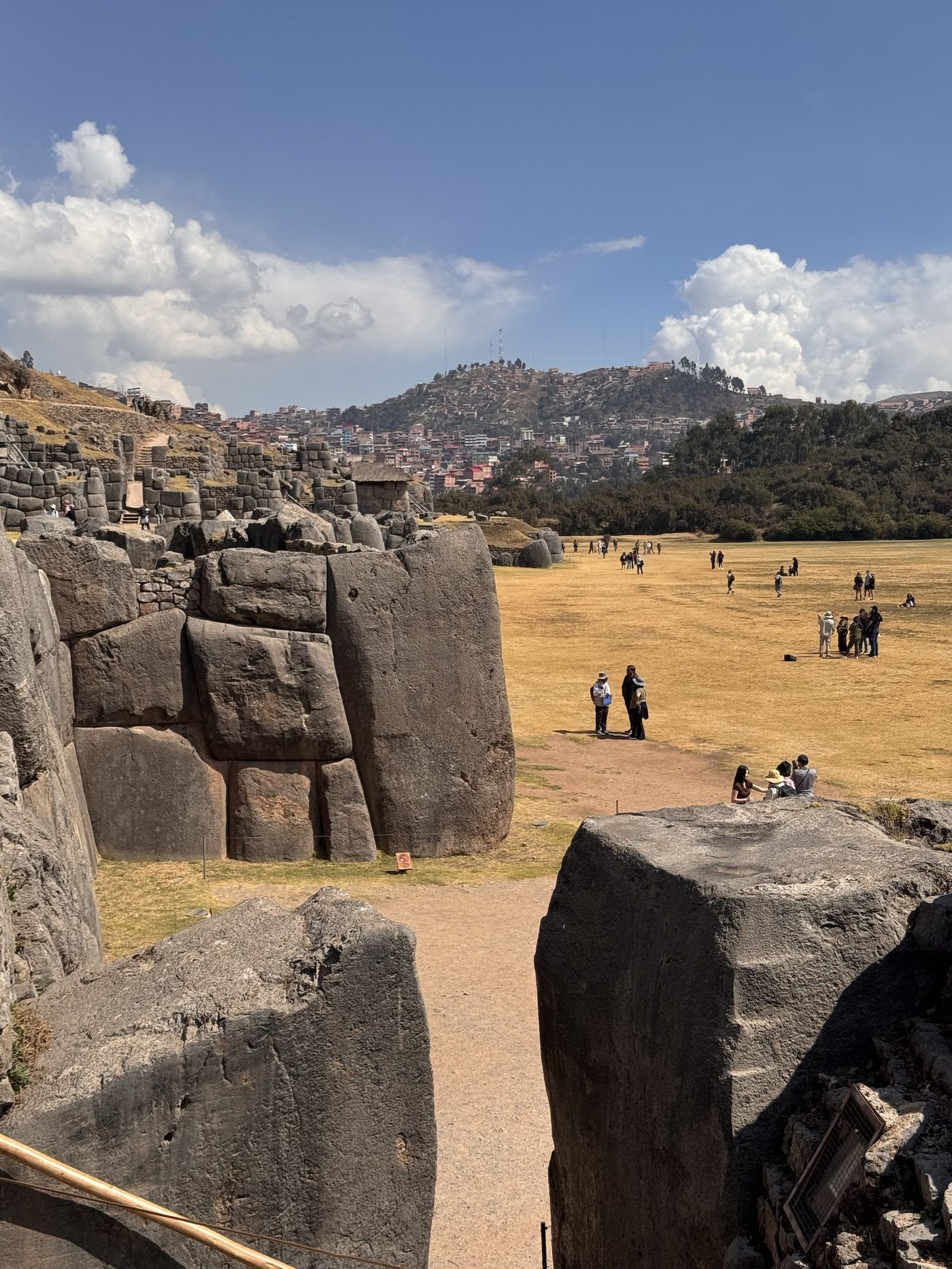
Two sites, one valley
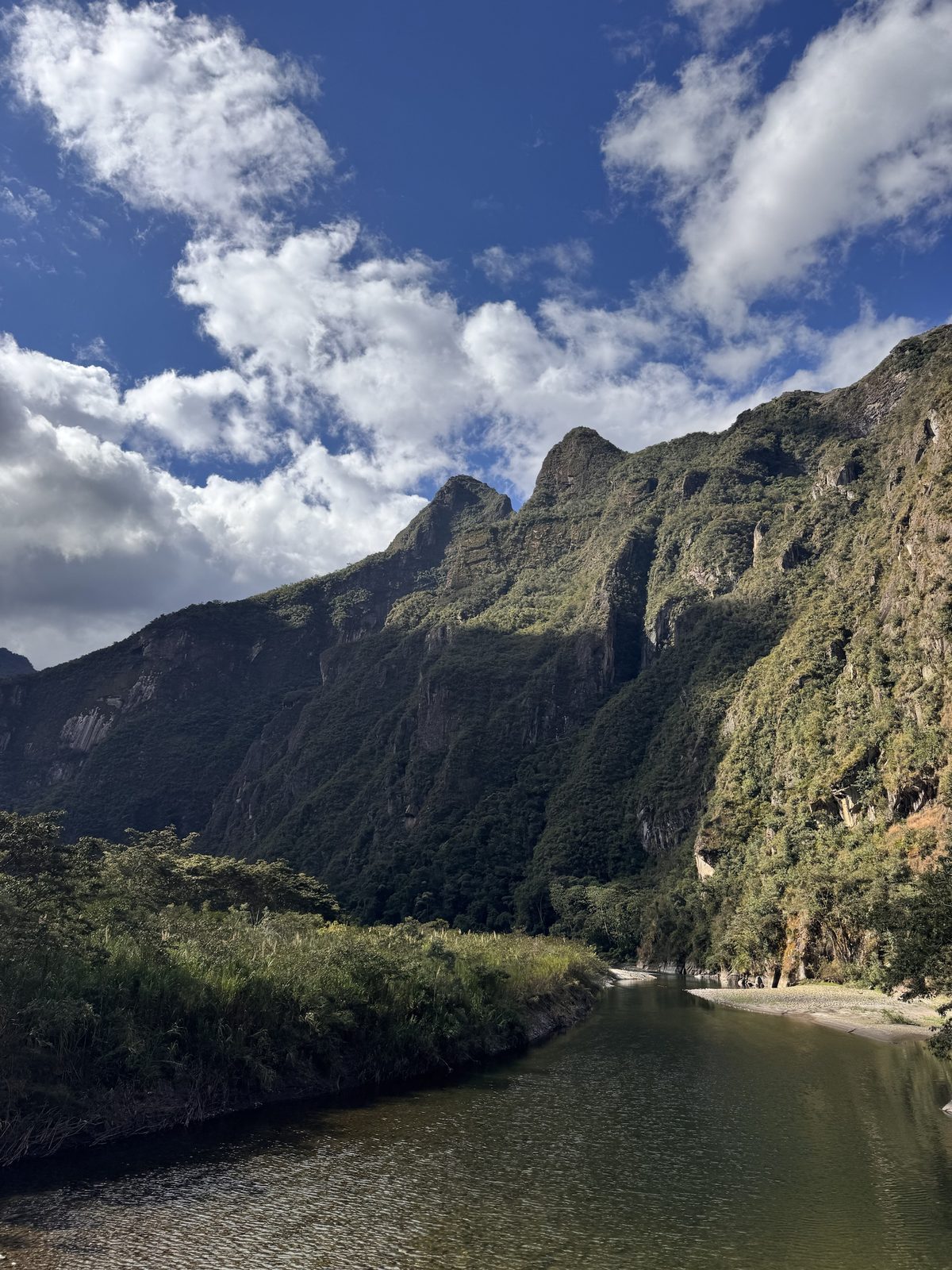
Sacsayhuamán sits on the hill above Cusco. Machu Picchu is eighty kilometres north-west, on a ridge between two peaks above the Urubamba. Both are Inca, both are fifteenth century, and they raise completely different questions.
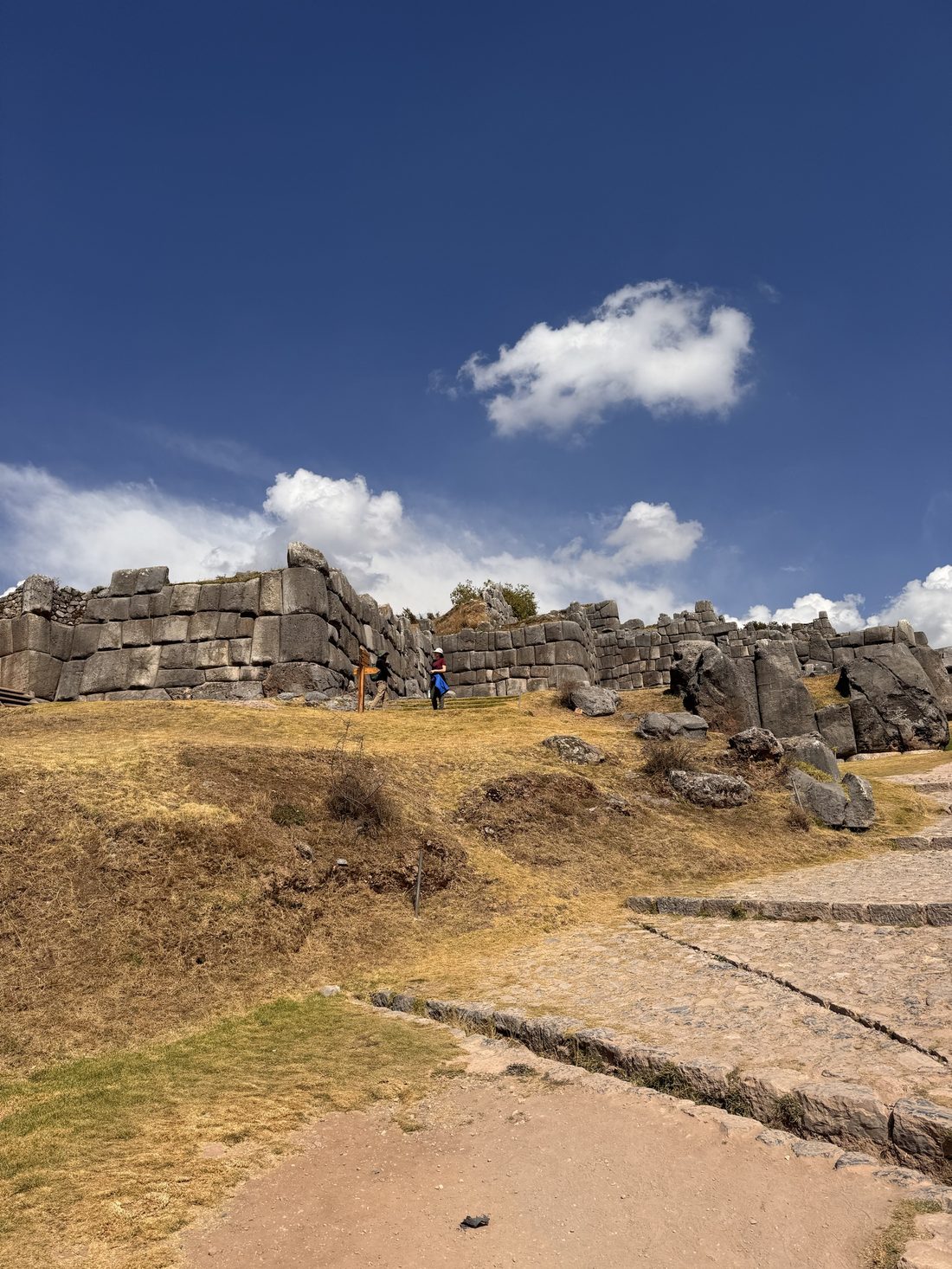
Sacsayhuamán: the wall
Three tiers of zigzag walls, several hundred metres long. The largest blocks in the lowest tier are estimated at over a hundred tonnes, and some figures go considerably higher. The largest are limestone, with a weight estimated at roughly 128 to almost 200 tonnes, cut with irregular polygonal faces, and fitted so closely that the joints are often described as bladeless.
What makes the masonry remarkable is not the size alone. It is that the blocks are not rectangular. Each one has a unique shape with many faces, and every face meets its neighbours precisely, including on surfaces buried inside the wall where nobody would ever see them.
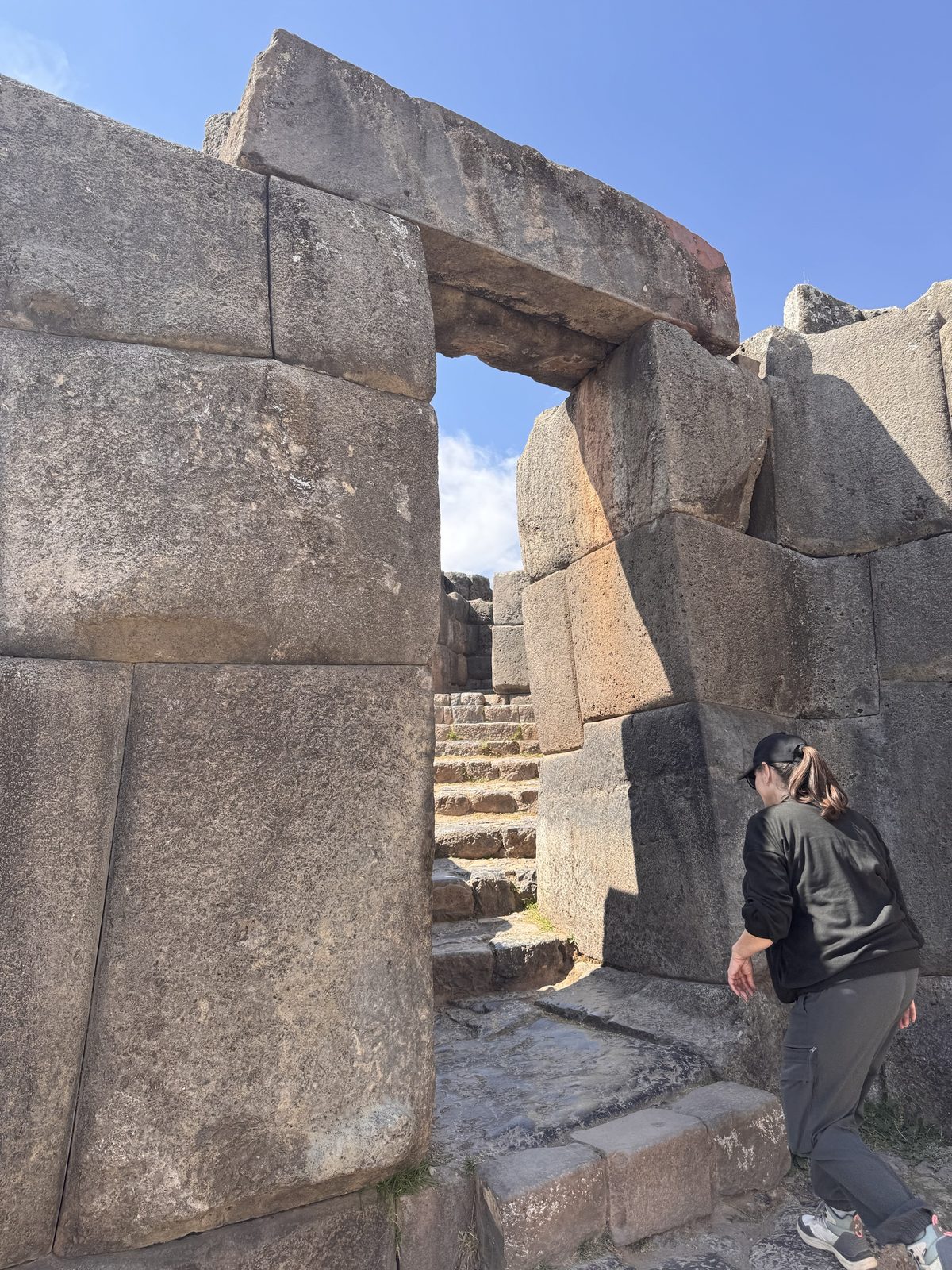
The quarries are known. The ramps are known. The method is still argued over.
Quarry sites have been identified, with Rumiqolqa, about 35 kilometres away by one estimate, among the sources of Cusco's stone, along with abandoned blocks in transit and the remains of hauling ramps. I did not find a source that matches each wall to its quarry, so read this as the general picture, not a per-stone provenance. So the stones were moved by people, from identifiable places, over ground that has been surveyed. That part is not mysterious.
How the faces were shaped to fit is the open part. Proposals include repeated lowering and scribing, pounding with harder hammerstones, and the use of sand abrasion. Experimental archaeology has reproduced the technique at small scale. Whether it scales to the hundred-tonne blocks at the rate the Inca worked is where reasonable people still disagree.
Machu Picchu: the ridge
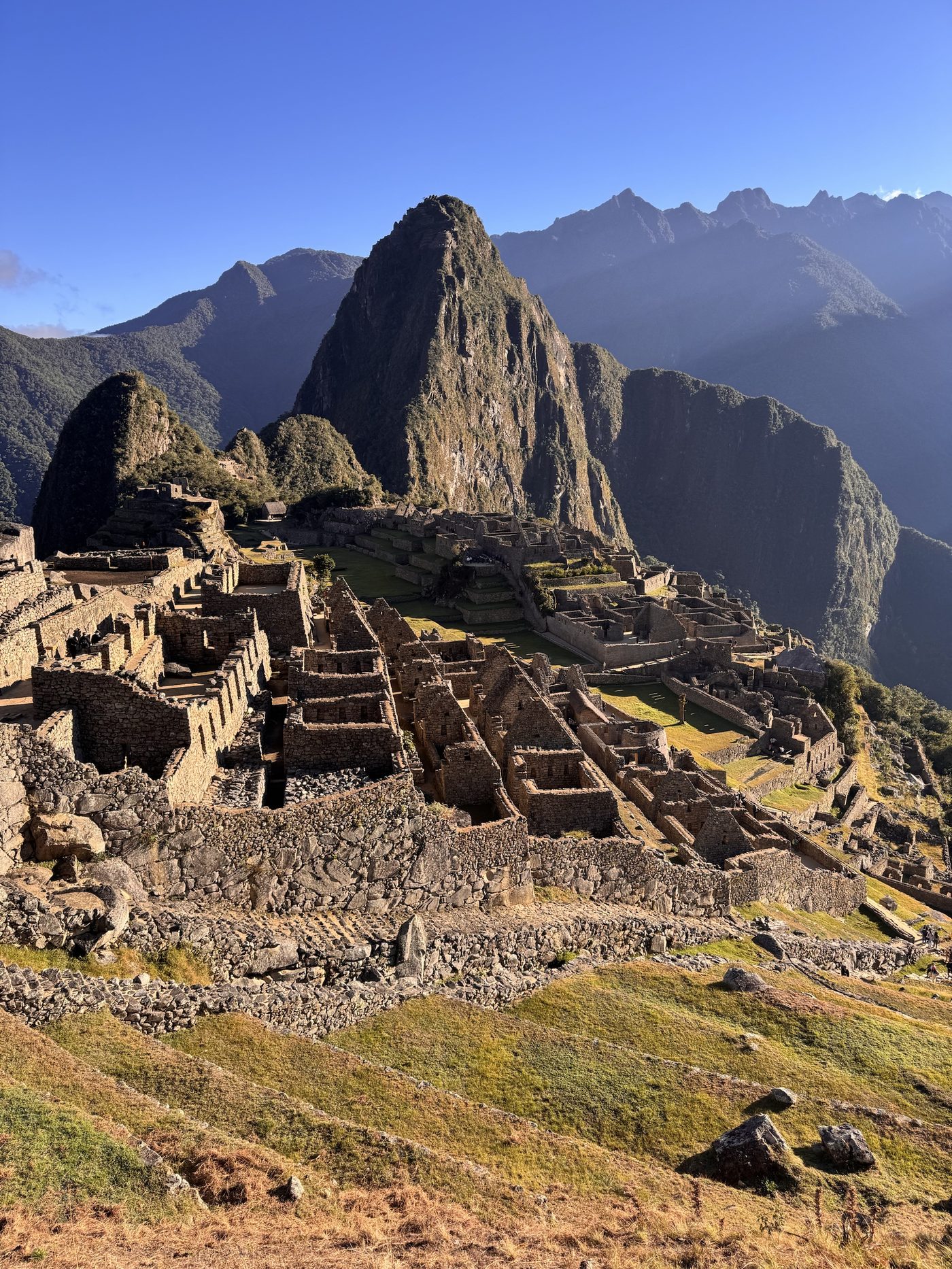
Built around 1450, most likely as a royal estate for the ruler Pachacuti, and occupied for roughly a century before it was abandoned around the time of the Spanish conquest. It was never found by the Spanish, which is why it survived.
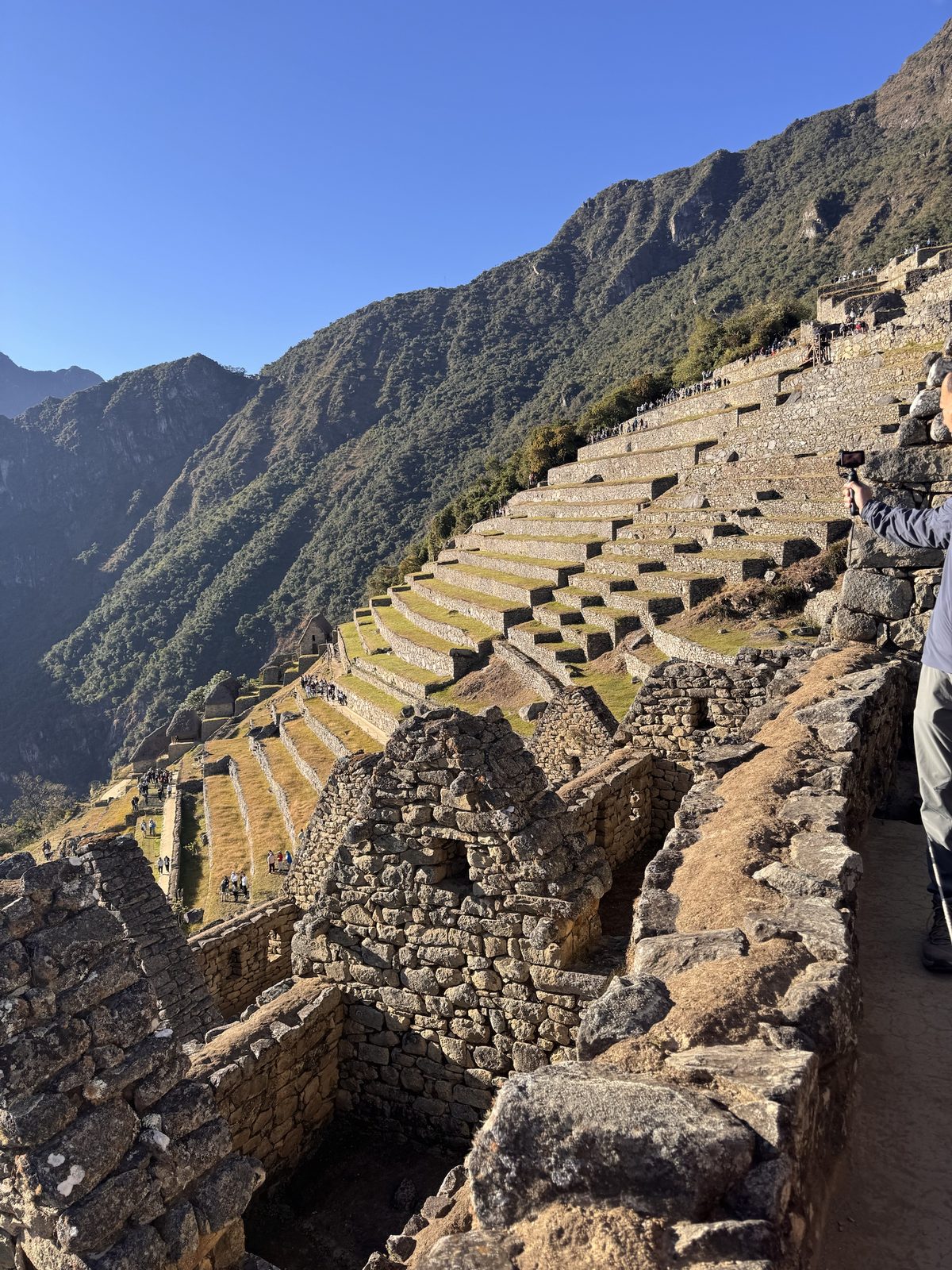
The engineering that impresses professionals is not the walls but the drainage. The site sits on a steep slope in a region that gets serious rainfall, and it has held together for five centuries because a large proportion of the construction is underground: terraces layered with stone chips, gravel and soil, with a designed drainage system beneath. Some estimates put well over half the total construction effort below the visible surface.
The sky here
At 13.2° S, the sun passes directly overhead twice a year, and the solstice sunrise swing is narrow. The Intihuatana stone at Machu Picchu and the Torreón window are both argued to mark solstice positions, and the June solstice alignment through the Torreón is reasonably well documented.
The Inca also read the sky differently from European traditions: alongside star constellations they identified dark cloud constellations, shapes in the dark bands of the Milky Way rather than in the stars themselves. The llama, the fox, the toad. That is worth sitting with. Two cultures looking at the same sky and one of them organising it by the darkness.
What is still open
How were the polygonal faces fitted?
Experimental work has demonstrated plausible methods. What has not been demonstrated is the full sequence at full scale, on the largest blocks, in a time frame consistent with the archaeological record. This is a genuine gap, not a manufactured one.
Is some of the masonry pre-Inca?
A recurring argument holds that the largest, finest work at Sacsayhuamán and Ollantaytambo predates the Inca and was inherited by them. Mainstream archaeology dates it to the Inca period on stratigraphic and contextual grounds. The Inca themselves did build on and reuse earlier sites elsewhere, so the question is not absurd, but it needs dating evidence, and that is what is missing.
What was Machu Picchu for?
Royal estate is the leading answer and has documentary support from a sixteenth-century land claim. Astronomical observatory, ceremonial centre and retreat have all been proposed alongside it. These are not mutually exclusive, and the honest answer is probably that it was several things at once.
What was it actually called?
In 2022 the historian Donato Amado Gonzales and the archaeologist Brian Bauer reported, from maps, seventeenth-century documents and Hiram Bingham's field notes, that the citadel may have been called Picchu or Huayna Picchu by the Inca. They word it as a possibility, and I have read only press summaries of the work. A small thing, but a good reminder of how thin the documentary thread is.
The thing that stays with me about Sacsayhuamán is not the size of the stones. It is the hidden faces, the surfaces cut to fit perfectly against another block, then buried inside the wall forever, seen by nobody.
You do not do that for strength. You do not do it for show, because nobody can see it. What if the precision was not for us, and not for them either? What if the fit itself was the offering, and the point was that it was correct whether or not anyone would ever know? I cannot prove that. But standing in front of a joint like that, "they were just good at engineering" feels like an incomplete answer.
Why it is worth asking: because the hidden faces are the one feature that a purely functional account has to explain away. What supports a practical reading: fitting each block to its neighbour as it was set may have meant dressing every face in the same pass, whether or not it would show. What speaks against an offering: there is no Inca text that says so, and the Inca left no record of why. What would tell the readings apart: a study of how often hidden faces are as finely finished as visible ones, across walls built for different purposes. I have not seen one. What stays unknown is whether anyone fitted the unseen faces for a reason beyond the method.
On Ancient Apocalypse
The Netflix series Ancient Apocalypse has presented the claim that the finest megalithic work predates the Inca and descends from an earlier lost culture. I have not verified which episodes cover Peru. The archaeological counter-position is that Inca stoneworking developed over generations, is visible in intermediate stages at multiple sites, and is dated by the same methods used everywhere else.
Context I could verify: in December 2022 the Society for American Archaeology published an open letter asking Netflix to reclassify the show as fiction, and the producers dropped plans to film at Chaco Canyon and the Grand Canyon, citing delays elsewhere, while Hopi officials said they should have been consulted.
Sources
- Protzen, J.-P., Inca Architecture and Construction at Ollantaytambo, the standard experimental work on how Inca stone was cut and fitted.
- Wright, K. and Valencia Zegarra, A., Machu Picchu: A Civil Engineering Marvel, on the drainage and subsurface construction.
- Burger, R. and Salazar, L. (eds.), Machu Picchu: Unveiling the Mystery of the Incas, on the royal estate interpretation.
- Dearborn, D. and Schreiber, K., published work on the Torreón and Inca solstice observation.
- Amado Gonzales, D. and Bauer, B.S., 2022, on the name Huayna Picchu, as reported by Archaeology. Press summary only.
- Wikipedia, Sacsayhuamán, for the block weights and the Rumicolca distance, both estimates; and Artnet for the Society for American Archaeology letter and the dropped US filming.
- Urton, G., At the Crossroads of the Earth and the Sky, on Andean dark cloud constellations.
Visited in person. Last reviewed 12 October 2026. Corrected on this date: the location line wrongly said not visited, and unverified claims about stone types, the series and the site's name were removed or sourced.